
I’ve been writing for years. It hasn’t always been my primary hobby. In fact, I took a break for a couple years to build a house become a parent, explore some hobbies, make sure my career was in solid enough shape to ensure things like retirement and food. What I haven’t been doing much is interacting with other writers. Sure, I started this blog to start doing that and also to share my various and sundry problems with writing and any solutions I may have cooked up to deal with those. What I haven’t done is any sort of face to face interactions.
You might be asking why, if I consider myself a writer, I haven’t been active in the local community of writers or at the very least been a part of a critique group. Well, the truth is that I watched my wife (you know who she is. She’s a wonderful writer in her own right, if she doesn’t believe it herself), before she was my wife go through a creative writing class. It is rude, heartless, and just plain mean to say, but I’m going to say it anyhow. Most of the utter crap she brought home to read along with her own descriptions of pompous, self-righteous artist wannabes put me off the writing crowd. To further bolster this really unfair and mostly incorrect opinion, I joined an online science fiction and fantasy writer’s workshop. It was actually not horrible. The only jerk I ran across was me. The problem was that it relied upon writers providing criticism to one another. This is how it’s done, but since it’s an online environment, it’s not a super solid strategy. Many of the writers on that site/group/whatever were looking for validation more than advice or were as inexperienced as anyone else joining and couldn’t provide any more technical writing advice than a potato. It was your classic case of the blind leading the blind. The only thing I learned is that it’s not okay to actually hit someone for telling you to show not tell. Most of the advice was unhelpful at best and probably only somewhat understood by those providing critiques. Truthfully, the critiques were honest and generally contained a seed of ‘you have a problem you need to fix’ within them. Unfortunately, as a very new writer, most of the suggestions were less helpful than simply saying, this bit of writing is rubbish, go take a class. So, I gave up and decided to work on my own for a while. I suppose that went okayish, but not really. I spent more time on world building, home building, dealing with starting a family, and career than actual writing, but I didn’t really learn anything new about the craft. At least until I got online again and start trying to get connected with other writers – I did start to learn some things then.
Yesterday, for the first time ever, and in spite of years of spluttering on about it, I went to a writer’s conference. This was one of the best writing decisions I think I’ve ever made. In no way can I say that this conference will be the key to getting published or selling enough copies of a book to quit my day job and write full time, but it taught me something that I wish I’d learned years ago. There are places, groups, and organizations who genuinely want to help writers and will supply experienced advisors to help you get there. Social media is indeed one place as is (in retrospect) the online writer’s workshop I did, but there are other places. This conference though put experienced, indeed award winning, writers in front of a room to explain what works, what doesn’t, and share real world experiences.
I’m such a jaded person, in general, that inspirational quotes do very little for me. I’d even go so far as to say they generally piss me off. In spite of that, I found myself not only inspired, but motivated. I came away with new tools, new perspective and a couple of new contacts. Here are a few of the most basic things I came away with.
1.) Go to writer’s conferences
2.) Bring business cards (Really? Yes – writing is a business too, it’s how business people connect why not writers?)
3.) Look over the agenda and pick your sessions, prepare questions
4.) Don’t eat 3 pieces of pizza
There was a whole lot more, a lot, but I can’t fit those things into bullet points, I’m sure I’ll write more blogs on this as I think about the new information and advice and try to put it into practice.
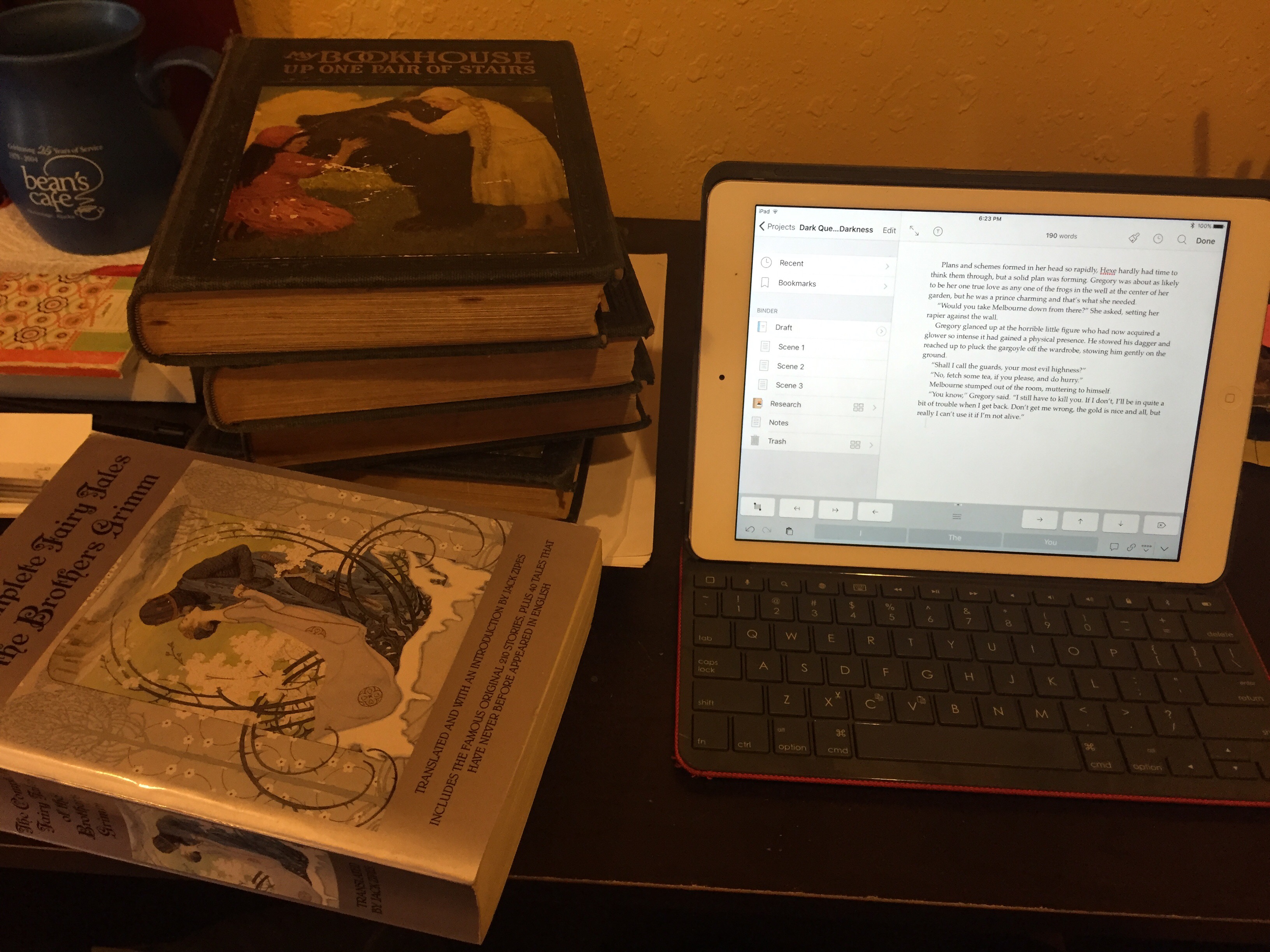
 On Writing Dragons